Why Does Everyone Say Job Hunting Is So Hard Right Now?
I keep hearing this from people. Cousins, old classmates, a guy I went to college with who used to post about promotions and now posts "grateful for this opportunity" a little too often. Something's off. And when I actually sat with the question instead of just nodding along, I realized it's not one thing. It's four or five things stacked on top of each other, and together they look worse than any one of them actually is.
Let me just think through this out loud.
Is there actually a shortage of jobs?
Not exactly. Not in the way people mean when they say it.
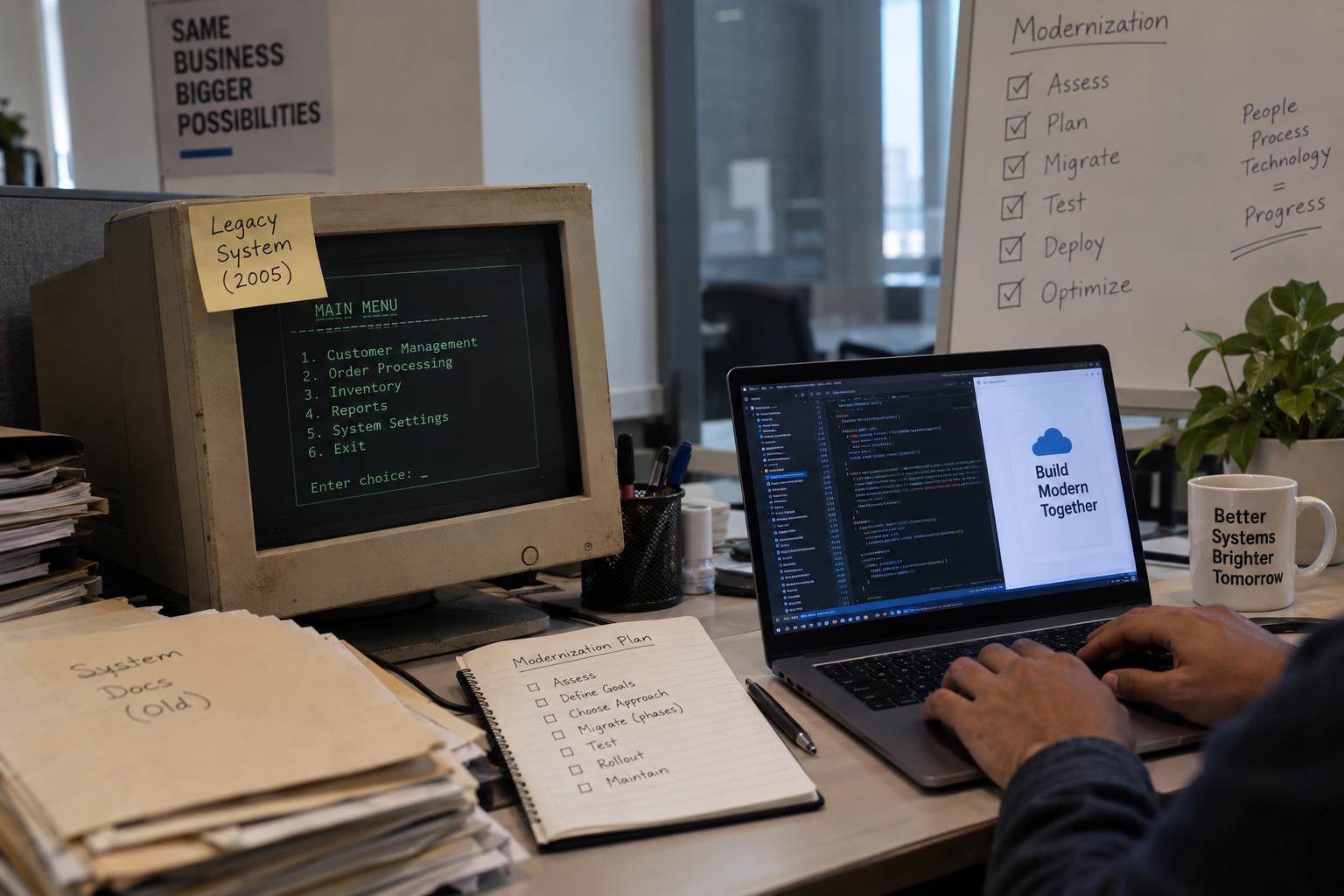
The total number of job postings hasn't collapsed. What's changed is where the jobs are and what they expect from you. Ten years ago, a company might have hired a junior analyst just to clean up spreadsheets all day, chase down numbers, format reports. Now a lot of that gets done by software before anyone even opens Excel. The job didn't vanish. It got folded into someone else's job, and that someone is now doing the work of two people for the salary of one.
And here's a thing barely anyone talks about. A chunk of the postings you scroll past aren't even real openings. Some companies keep listings live to build a pipeline for later. Some HR policies require a public posting even when the manager already has someone lined up internally. I've heard of people applying to a job, getting no response for three weeks, and then finding out later the role was basically filled before it was even posted. So the market looks fuller than it is.
Is there a skills gap, or is that just something recruiters say?
A little of both, honestly.
In some fields, yes, there's a real gap. Ask a company hiring for a specific coding framework, and they genuinely don't want to wait three months for someone to learn it on the job. Fair enough.
But a lot of what gets called a "skills gap" is really just a wish list dressed up as a requirement. You've seen it. A posting for an entry-level marketing role asking for five years of experience, fluency in four tools nobody uses together, and "strong leadership skills." For an entry-level job. Who wrote that? Did anyone read it back before hitting publish?
Are employers expecting too much?
Some of it makes sense. Hiring is expensive. Training someone takes months. A bad hire costs real money and real time, so companies try to protect themselves by asking for more upfront. I get the logic there.
But somewhere the logic got out of hand.
I saw a posting last year for a "junior" social media role that wanted someone who could also do basic video editing, run paid ad campaigns, write copy, and "manage community sentiment." That's not one job. That's three jobs wearing a trench coat.
Is that cruelty on purpose? Probably not. My guess is nobody actually reviews these listings with fresh eyes before they go live. They get copy-pasted from an old template, someone adds a buzzword or two, and it goes out the door.
The one-click application problem
This one doesn't get talked about enough, and I think it's actually a big part of the mess.
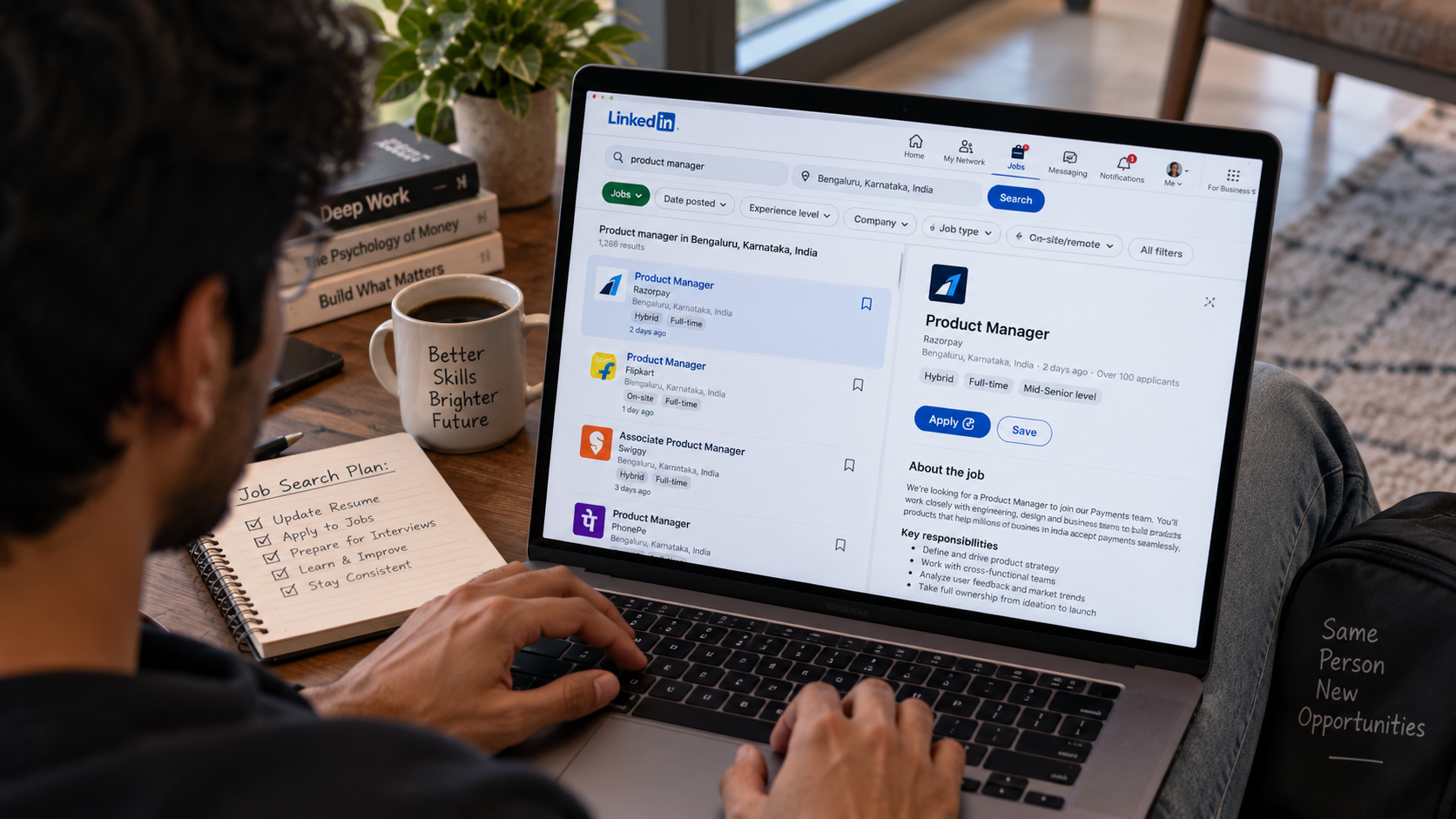
Applying to a job used to take effort. You'd tailor your resume, maybe write an actual cover letter, think about whether the role fit you. Now you click a button on LinkedIn and it's done in ten seconds. Multiply that by a hundred jobs, and you can apply to more roles in one evening than someone could apply to in a month, fifteen years ago.
So what happens on the other end? A recruiter posts one opening and gets eight hundred applications by Friday. Nobody's reading eight hundred resumes carefully. They can't. So it becomes about filtering, not evaluating. Keyword scanners, quick skims, maybe thirty seconds per resume if you're lucky.
Which means a genuinely great candidate with a slightly unusual resume format gets tossed in the same pile as someone who mass-applied without reading the job title. The good ones get lost in the noise, right alongside everyone else.
And the strange part is, this makes more work for everyone while producing less progress for anyone. Job seekers send out more applications than ever and hear back less than ever. Recruiters spend their days sorting instead of actually meeting people. Everyone's busier. Nobody's happier with the results.
Are job seekers doing something wrong?
I don't love this question, because it's usually asked in a way that ends up blaming tired, anxious people for a system they didn't design.
But I'll say this much. The mass-apply approach, even though it's understandable, adds to the flood I just described. If everyone applies to everything, the filtering gets more aggressive, and the whole system tightens up a notch for the next round of applicants too. It's not really anyone's fault individually. It's more like a traffic jam where every driver is making a reasonable choice and the road still ends up gridlocked.
The degree problem nobody wants to talk about
For years, students were told a degree was the ticket to a stable career. So millions of people did exactly what they were told. They studied, graduated, and stepped into the job market expecting the door to open.
Then the market changed while people were still holding the old map.
A degree still matters in plenty of fields. Nobody's arguing against studying medicine or engineering. But in a growing number of industries, employers are asking "what can you actually build, write, sell, fix" more than "what's on your diploma." I know someone who studied graphic design for four years and got her first real job because of a portfolio she built on her own time, not because of her coursework. That's a strange thing to sit with if you spent four years and a lot of money believing the degree itself was the qualification.
Nobody lied exactly. The rules just moved while people were still playing by the old ones.
So what's actually going on here?
Honestly? I think it's a mismatch. Not a villain-and-victim story, just a lot of reasonable people protecting themselves in ways that don't add up cleanly.
Employers are cautious because hiring wrong is expensive, so they ask for more than they need. Job seekers apply to everything because rejection is constant and mostly silent, so the flood gets worse. Algorithms sit in the middle of both sides, sorting and filtering in ways that feel less like a conversation and more like guessing a password.
I don't think there's a tidy fix here, and I'm a little suspicious of anyone who claims there is. It's not one villain, it's a slow pile-up of reasonable choices that don't add up to something reasonable overall.
Maybe that's just what it is right now. I don't know. Still thinking about it, honestly.

BroskiesHub Team
The Team
Insights and perspectives from the BroskiesHub engineering and product team.